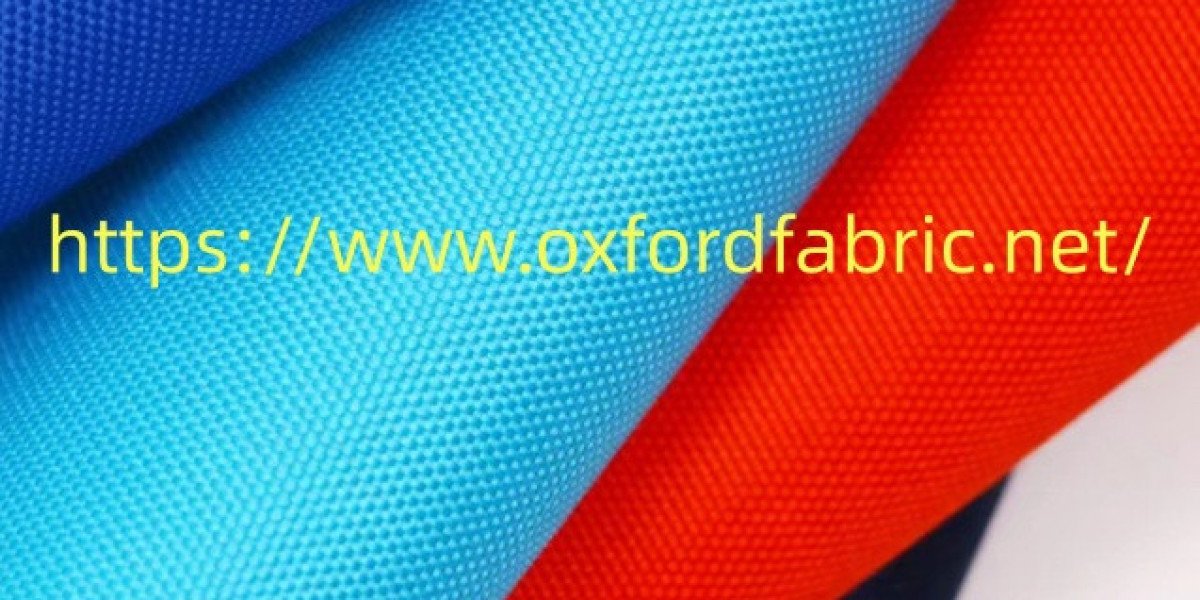

600d fabric is a durable woven textile commonly used in bag manufacturing due to its balanced strength and practical weight. With a denier count that provides thicker yarns than lighter materials, it offers noticeable resistance to abrasion while remaining flexible enough for sewing and shaping. This combination makes it suitable for backpacks, travel bags, tote bags, and storage organizers across various markets.
In the bag industry, durability is one of the main concerns. Products are exposed to frequent handling, friction against surfaces, and varying load weights. A 600 denier construction supports structural integrity, helping bags maintain their form even after repeated daily use. Compared with thinner materials, it offers increased thickness that can better tolerate stress at seams and corners.
Water resistance is another reason manufacturers prefer this type of textile. Many bags are designed for commuting, school, business trips, or outdoor activities, where light rain or moisture may occur. By applying coatings such as polyurethane or PVC backing, manufacturers can enhance surface protection. This helps reduce moisture penetration while keeping the material adaptable for different product categories.
Flexibility also matters in bag design. While heavy materials can provide strong structure, they may increase overall product weight and reduce user comfort. On the other hand, very light textiles may lack sufficient resistance to tearing. A medium denier woven solution creates a balance that allows designers to include compartments, zippers, reinforced handles, and padded sections without compromising usability.
From school backpacks to promotional bags and tool carriers, the applications are broad. Travel luggage often uses 600 denier materials for outer shells, combining durability with manageable weight for easier transportation. Storage cubes, equipment covers, and utility pouches also benefit from this construction. Manufacturers appreciate its adaptability to printing, dyeing, and lamination processes, enabling customized colors and branding.
Oxfordfabric supplies woven textile materials designed to meet the technical needs of bag producers. By maintaining consistent yarn quality and stable weaving density, the company supports efficient production lines and predictable material performance. Attention to coating thickness, tensile strength, and tear resistance allows manufacturers to select suitable specifications according to their product positioning.
In modern manufacturing, cost control is closely connected to material efficiency. A textile that balances strength and affordability helps brands remain competitive in different markets. This is one reason why 600 denier woven materials are frequently selected in large scale bag production. They provide practical performance without unnecessary complexity in processing.
Environmental considerations are also influencing material selection. Some producers are exploring recycled yarn options and alternative coating technologies to reduce environmental impact. As consumer awareness grows, bag manufacturers may look for textile partners capable of offering diversified solutions aligned with sustainability trends.
Oxfordfabric continues to provide textile materials for global customers involved in backpack, luggage, and storage product manufacturing. Through steady production management and clear specification standards, it supports brands aiming to create durable and functional bag products. More details about available materials and customization options can be found at https://www.oxfordfabric.net/