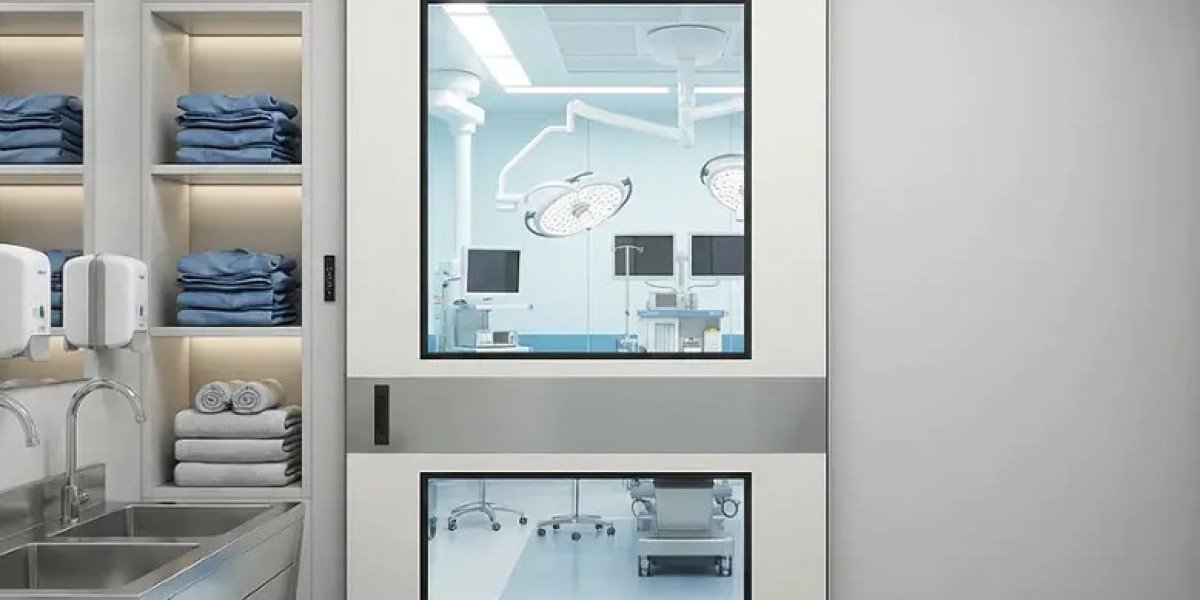

Inside pharmaceutical plants, laboratories, electronics workshops, and medical production areas, small details can influence the entire working environment. Airflow, dust control, and surface cleanliness all matter, yet one component quietly supports these systems every day: Cleanroom Doors. While they may look simple from the outside, these doors are carefully designed to help maintain controlled indoor conditions where particles and contamination must stay under strict management.
A standard door from an office building often cannot meet the demands of a cleanroom environment. Gaps around the frame may allow airborne particles to travel between rooms. Uneven surfaces can collect dust, and complicated hardware may become difficult to sanitize regularly. Cleanroom Doors address these concerns through smoother finishes, tighter sealing systems, and materials chosen for easier cleaning routines.
The structure of the door itself plays an important role. Many cleanroom environments rely on pressure differences between rooms to control airflow direction. If air leaks around the door edges, the balance inside the facility may change unexpectedly. For this reason, Cleanroom Doors are commonly designed with sealing strips and carefully aligned frames that help support stable pressure conditions throughout the workspace.
Materials also receive significant attention during manufacturing. Stainless steel, powder-coated metal, and compact laminate surfaces are frequently selected because they resist corrosion and tolerate repeated cleaning. In environments where sanitation occurs several times each day, durability becomes just as important as appearance. A scratched or damaged surface may trap particles, making maintenance more difficult over time.
Another interesting feature involves visibility and movement. Some Cleanroom Doors include flush-mounted glass panels that allow workers to see approaching traffic before entering another area. This simple addition can reduce sudden collisions in busy corridors where staff transport equipment, carts, or medical supplies throughout the day. Sliding designs are also becoming more common in facilities where space efficiency matters.